What Is an Air Leakage Evaluation — and Does Your Green Bay Home Need One?
If your energy bills keep climbing even after upgrading your thermostat or switching to LED bulbs, hidden air leaks may be the real culprit. An air leakage evaluation pinpoints exactly where conditioned air is escaping your home — so you can stop paying to heat or cool the great outdoors.
At All Weather Insulation, we perform professional air leakage evaluations for homeowners across Green Bay, Appleton, and the surrounding areas of Northeast Wisconsin. Here's what you need to know.
What Is an Air Leakage Evaluation?
An air leakage evaluation (sometimes called a blower door test or home energy audit) is a diagnostic service that measures how much air escapes or enters your home through gaps, cracks, and unsealed penetrations in the building envelope.
Wisconsin's climate swings from brutally cold winters to hot, humid summers. Every gap in your home's shell — no matter how small — forces your HVAC system to work harder, drives up utility costs, and creates uncomfortable drafts and uneven temperatures.
Common air leakage sites include:
- Attic hatch openings and recessed lighting fixtures
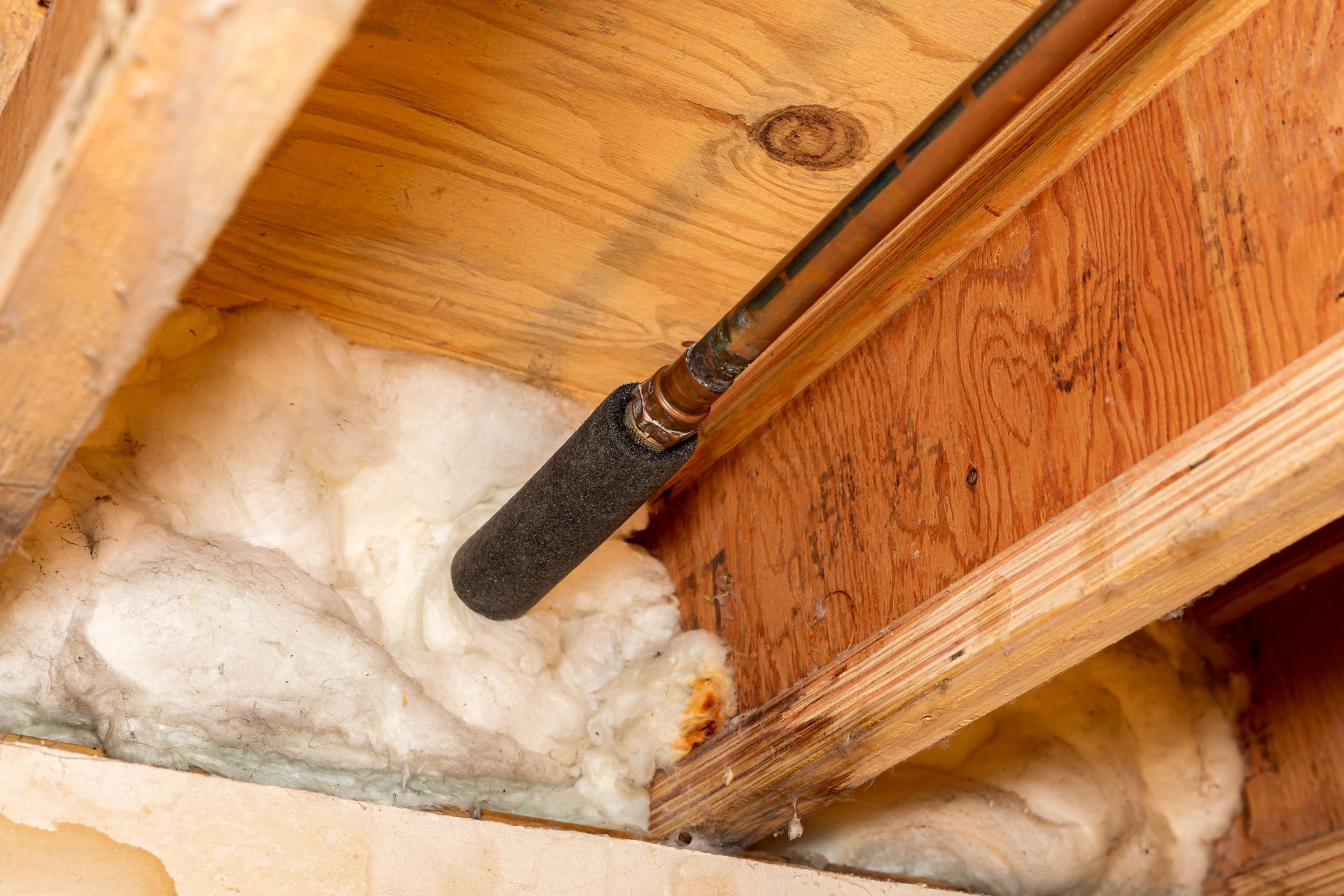
- Gaps around plumbing, electrical, and HVAC penetrations
- Rim joists in the basement or crawl space
- Around window and door frames
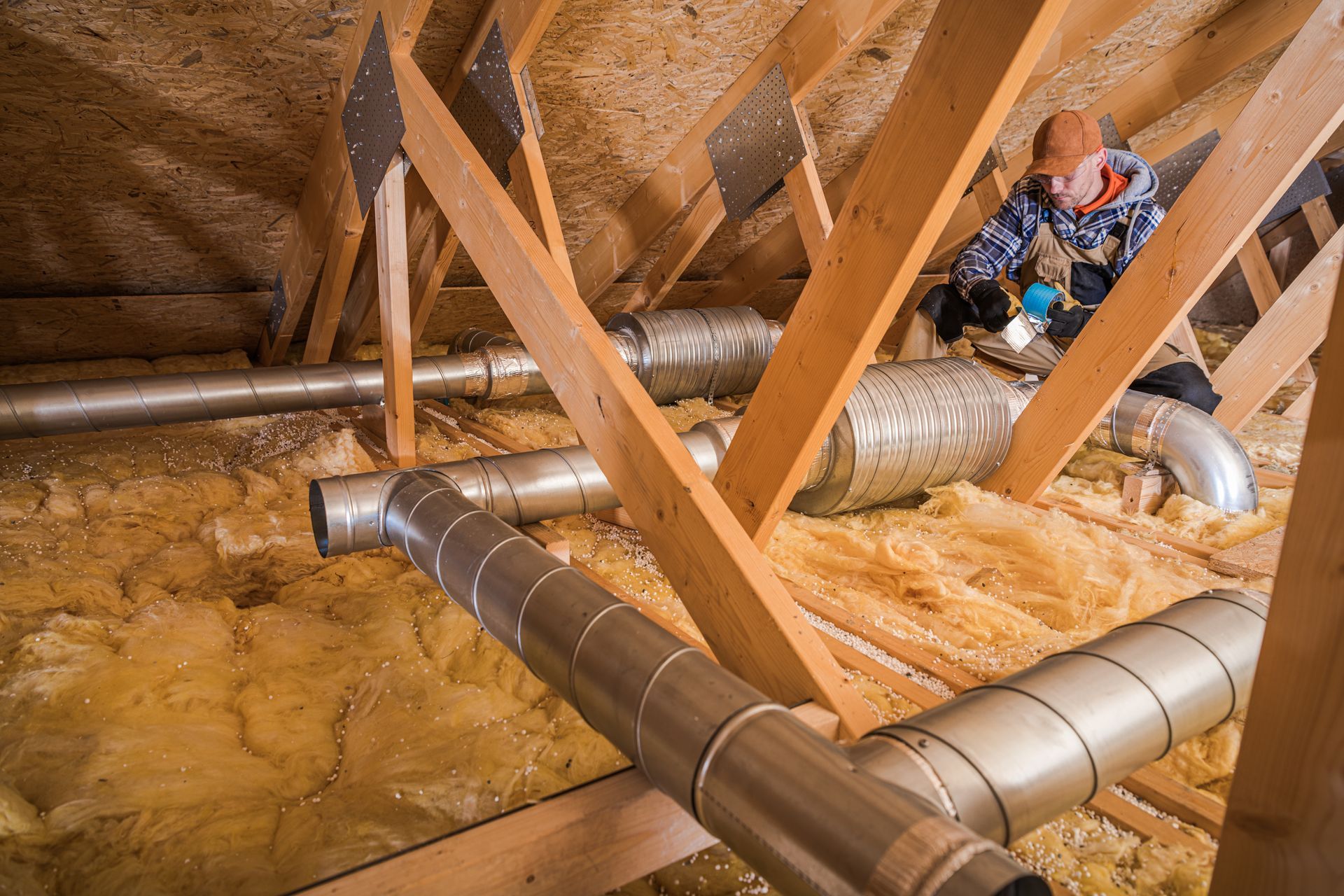
- Unsealed ductwork connections
- Wall outlets and switch plates on exterior walls
Signs Your Green Bay Home May Have Air Leaks
You don't need to wait for an energy audit to suspect a problem. Watch for these warning signs:
- Rooms that never seem to reach the right temperature no matter how long the furnace or AC runs
- Noticeably higher heating or cooling bills compared to similar-sized homes
- Cold drafts near windows, doors, or electrical outlets in winter
- Ice dams forming along your roofline (often caused by heat escaping through an unsealed attic)
- Excessive dust, pollen, or humidity levels indoors
- Musty odors from the basement or crawl space migrating into living areas
Any one of these symptoms is worth investigating. An air leakage evaluation gives you hard data — not guesswork — about where your home is losing energy.
How All Weather Insulation Conducts an Air Leakage Evaluation
Our team follows a thorough, multi-step process to ensure nothing is missed:
Step 1: Initial Home Assessment
We start with a visual walkthrough of your home, noting areas of concern such as older windows, finished basements, vaulted ceilings, and previous renovations where sealing may have been compromised.
Step 2: Pressurization (Blower Door) Testing
A calibrated fan is temporarily mounted in an exterior doorway to depressurize the home. This creates a controlled pressure difference that draws outside air in through any unsealed openings, making leaks visible — and measurable. Results are reported in air changes per hour (ACH), the industry-standard metric for airtightness.
Step 3: Leak Identification & Documentation
Using the pressure differential, our technicians systematically locate every significant air leak. We document each finding so you have a clear picture of your home's performance before and after remediation.
Step 4: Tailored Air Sealing Solutions
Once leaks are identified, we implement targeted repairs using professional-grade materials — foam, caulk, weatherstripping, and insulation — chosen for the specific location and severity of each gap. We don't offer a one-size-fits-all fix; we solve your home's specific problem.
Benefits of an Air Leakage Evaluation in Wisconsin
Lower Energy Bills
The U.S. Department of Energy estimates that air sealing and insulation improvements can reduce heating and cooling costs by up to 20%. For a Wisconsin homeowner paying $2,000 or more per year on energy, that's real money back in your pocket.
Year-Round Comfort
Sealed homes maintain more consistent temperatures from room to room, eliminating the hot spots in summer and cold spots in winter that make certain areas of your home feel unusable.
Better Indoor Air Quality
Uncontrolled air infiltration carries outdoor pollutants, allergens, and moisture into your living space. Sealing leaks gives you better control over what enters your home — and keeps excess humidity from creating mold and mildew conditions.
Extended HVAC Equipment Life
When your home holds conditioned air, your heating and cooling system runs shorter, more efficient cycles. Less runtime means less wear, fewer repairs, and a longer equipment lifespan.
Potential Utility Rebates
Wisconsin utilities, including Focus on Energy, offer rebates for qualifying air sealing and insulation work. All Weather Insulation can help you understand which improvements qualify and how to apply — visit our Rebates/FAQ page for current offers.
Frequently Asked Questions About Air Leakage Evaluations
What is the difference between an air leakage evaluation and a home energy audit?
The terms are often used interchangeably. A home energy audit is the broader assessment, which may include analysis of your heating and cooling equipment, insulation levels, windows, and appliances. An air leakage evaluation is the specific diagnostic test — typically a blower door test — that measures how airtight your home is. All Weather Insulation performs both as part of a comprehensive assessment.
How long does an air leakage evaluation take?
Most evaluations for a standard single-family home take two to four hours. Larger homes or those with complex layouts may take longer. Air sealing repairs are typically completed in a separate visit once you review and approve the findings.
How much can I save on energy bills after air sealing?
Savings vary based on the severity of the leaks and the size of your home, but homeowners in Green Bay and Appleton commonly see 10–25% reductions in heating and cooling costs after professional air sealing. Wisconsin's cold winters mean savings are most dramatic in the heating season.
Will air sealing make my home too airtight?
Modern building science follows the principle of "build tight, ventilate right." Professional air sealing targets uncontrolled leaks while preserving planned ventilation pathways. Our team ensures your home maintains healthy airflow; we never seal a home in a way that compromises indoor air quality.
Do I qualify for Wisconsin utility rebates for air sealing?
Many homeowners in our service area qualify for Focus on Energy rebates when they complete qualifying insulation and air sealing improvements. Eligibility depends on your utility provider and the scope of work. Contact us and we'll help you navigate the rebate process.
What areas does All Weather Insulation serve?
We serve Green Bay, Appleton, and the surrounding communities throughout Northeast Wisconsin. Call us at (920) 494-6966 to confirm service in your area.
Why Choose All Weather Insulation for Your Air Leakage Evaluation?
All Weather Insulation has served the Green Bay and Appleton areas with hands-on expertise in residential insulation and air sealing. Our approach is methodical: we find the leaks others miss, document every finding, and implement durable solutions designed to perform through Wisconsin's harshest weather.
We are not a national franchise. We are a local team that understands Northeast Wisconsin homes — the older housing stock, the lake-effect winters, the freeze-thaw cycles that open gaps year after year. That local knowledge makes our evaluations more thorough and our repairs more effective.
Ready to Stop Losing Heat (and Money)? Call Us Today.
All Weather Insulation | Green Bay & Appleton, WI
📞 Call us today: (920) 494-6966 | Toll Free: (888) 462-8765 | allweatherinsulationwi.com