Why Attic Ventilation Is Your Best Defense Against Ice Dams in Green Bay

September 4, 2026

Every winter, Northeast Wisconsin homeowners look up at a thick ridge of ice along the edge of their roof and assume it is just part of living here. It is not. Ice dams are a symptom of a problem inside your attic, and they can be prevented.


At All Weather Insulation, we have spent years crawling through attics in Green Bay, Appleton, and the surrounding communities. The homes with ice dams almost always have the same two issues: too much heat escaping into the attic, and not enough cold air moving through it. Fix those, and the icicles stop forming.

What Actually Causes an Ice Dam

An ice dam forms when the middle of your roof is warm and the edge is cold. Heat rising from your living space warms the underside of the roof deck, melting the snow sitting on top of it. That meltwater runs down toward the eaves, which hang past the heated part of the house and stay below freezing. The water refreezes there and builds a ridge of ice.


Once that ridge is in place, the next round of meltwater has nowhere to go. It pools behind the dam and backs up under your shingles, where it can soak sheathing, saturate insulation, stain ceilings, and feed mold growth inside wall cavities. By the time you see a water spot on the ceiling, the damage has been underway for weeks.


The key insight: ice dams are not a roofing problem. They are a heat and airflow problem.

How Roof Soffit Vents Keep Your Roof Cold

A properly ventilated attic stays close to the outdoor temperature. When the roof deck is uniformly cold, snow does not melt unevenly, and ice dams never get started.


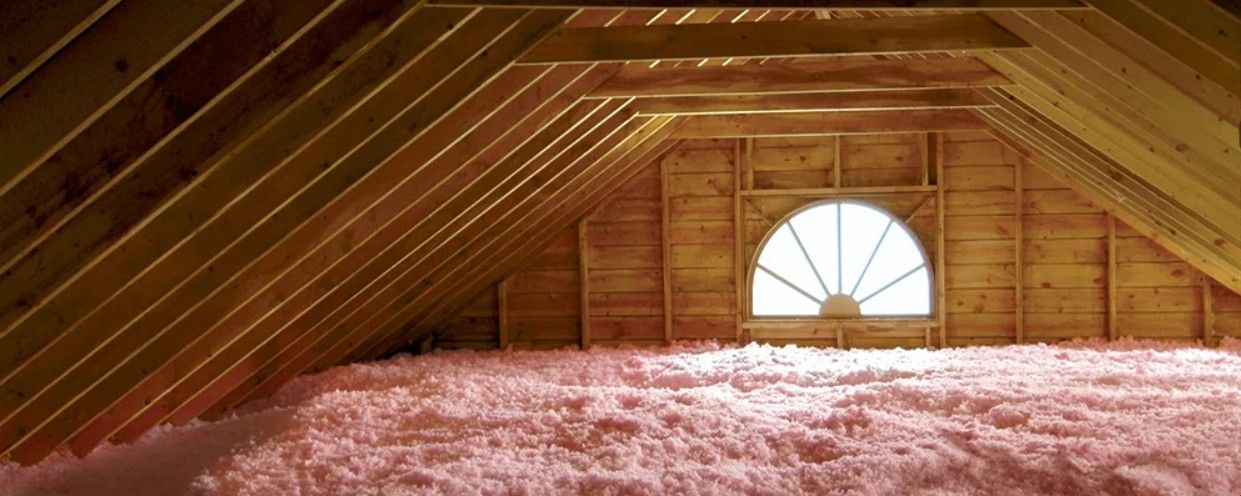
That works through a continuous loop. Cool outside air enters through intake vents in the soffits under your eaves, travels up the underside of the roof deck, and exits through exhaust vents at or near the ridge. The system depends on both halves working together. Ridge vents with blocked or missing soffit vents cannot pull in enough air, and the exhaust can end up drawing conditioned air out of your house instead.


Industry standards call for balanced ventilation — roughly half the vent area at the intake and half at the exhaust, with intake never less than exhaust. As a rule of thumb, attics need about one square foot of net free vent area for every 300 square feet of attic floor when a vapor retarder is in place and the intake and exhaust are properly separated in height. Without those conditions, the requirement doubles to one square foot per 150.

The Most Common Problem We Find: Blocked Soffit Vents

Here is the frustrating part. Many Green Bay homes already have soffit vents. They just do not work.

The usual culprits we find during an attic inspection:

  • Insulation stuffed into the eaves. When blown-in or batt insulation is pushed all the way to the edge of the attic floor, it seals off the intake path completely.
  • No baffles installed. Rafter vent baffles, also called insulation chutes, hold an open channel between the insulation and the roof deck. Without them, insulation drifts into the gap over time.
  • Painted-over or debris-clogged vents. Decades of repainting, plus dust, nesting material, and wasp activity, can choke a vent down to almost nothing.
  • Soffit covered during a siding or roofing job. It happens more often than you would think when the crew is not thinking about airflow.
  • Bathroom or dryer vents dumping into the attic. These pump warm, humid air directly into the space you are trying to keep cold and dry.

Any one of these can undo an otherwise well-built attic.

Ventilation and Insulation Work as a Team

Ventilation alone will not solve an ice dam problem if heat keeps pouring into the attic. The two upgrades go hand in hand, and the order matters.


Air sealing comes first. Recessed lights, plumbing stacks, chimney chases, attic hatches, and top plates all leak warm indoor air. Sealing those penetrations stops the heat and the moisture that rides along with it.


Insulation depth comes second. Wisconsin sits in Climate Zone 6, where the energy code calls for about R-49 in unfinished attics, and current national guidance points as high as R-60. Plenty of older Green Bay homes are running at half that.


Ventilation comes third. With the heat sealed out and the insulation at depth, balanced soffit and ridge ventilation carries away whatever heat and moisture still make it up there.

Skip any one step and the other two work harder for less benefit.

Signs Your Attic Ventilation Needs Attention

Take a look this fall, before the first real snow:

  • Ice dams or heavy icicles along the eaves last winter
  • Snow melting off your roof faster than your neighbors'
  • Frost or moisture on the underside of the roof sheathing
  • A hot, stuffy attic in summer, or upstairs rooms you cannot keep cool
  • Musty odors, dark staining on rafters, or visible mold
  • Insulation packed tight against the eaves with no visible gap
  • Shingles curling or wearing out well before their rated life

Two or more of these together usually means the attic is not breathing the way it should.

Get Ahead of Winter — Call All Weather Insulation

September and October are the right window for this work. Attics are comfortable to work in, scheduling is open, and the upgrade is finished long before the first hard freeze.


All Weather Insulation serves Green Bay, Appleton, and the surrounding Northeast Wisconsin communities with roof soffit vent installation, attic air sealing, blown-in cellulose and fiberglass insulation, insulation removal, and full air leakage evaluations. We inspect the whole system — insulation, air sealing, and ventilation together — and tell you honestly what your home actually needs.


Ready to keep the ice off your roof this winter? Call All Weather Insulation at (920) 494-6966 or toll free at (888) 462-8765 for a free quote on attic ventilation and insulation.
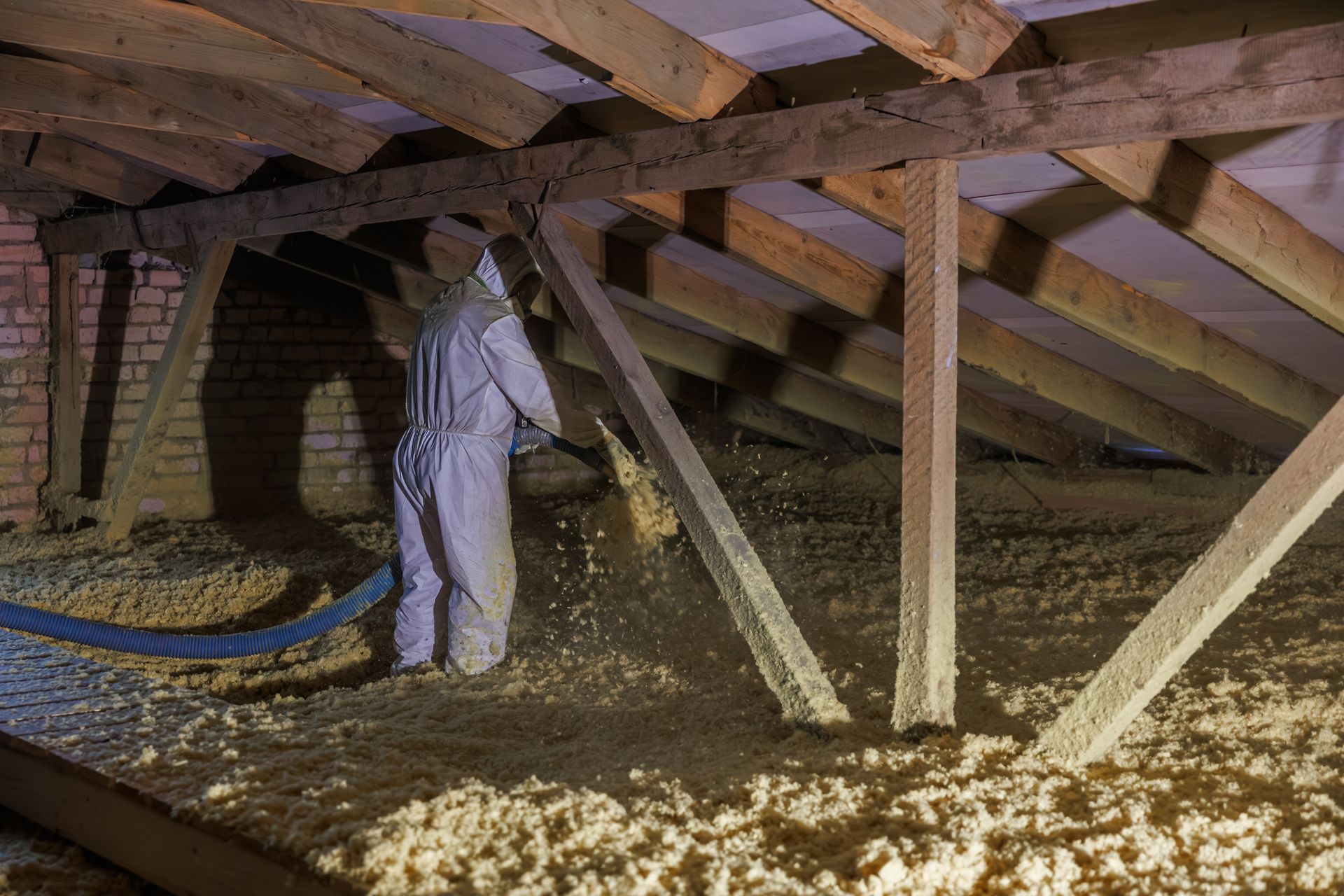
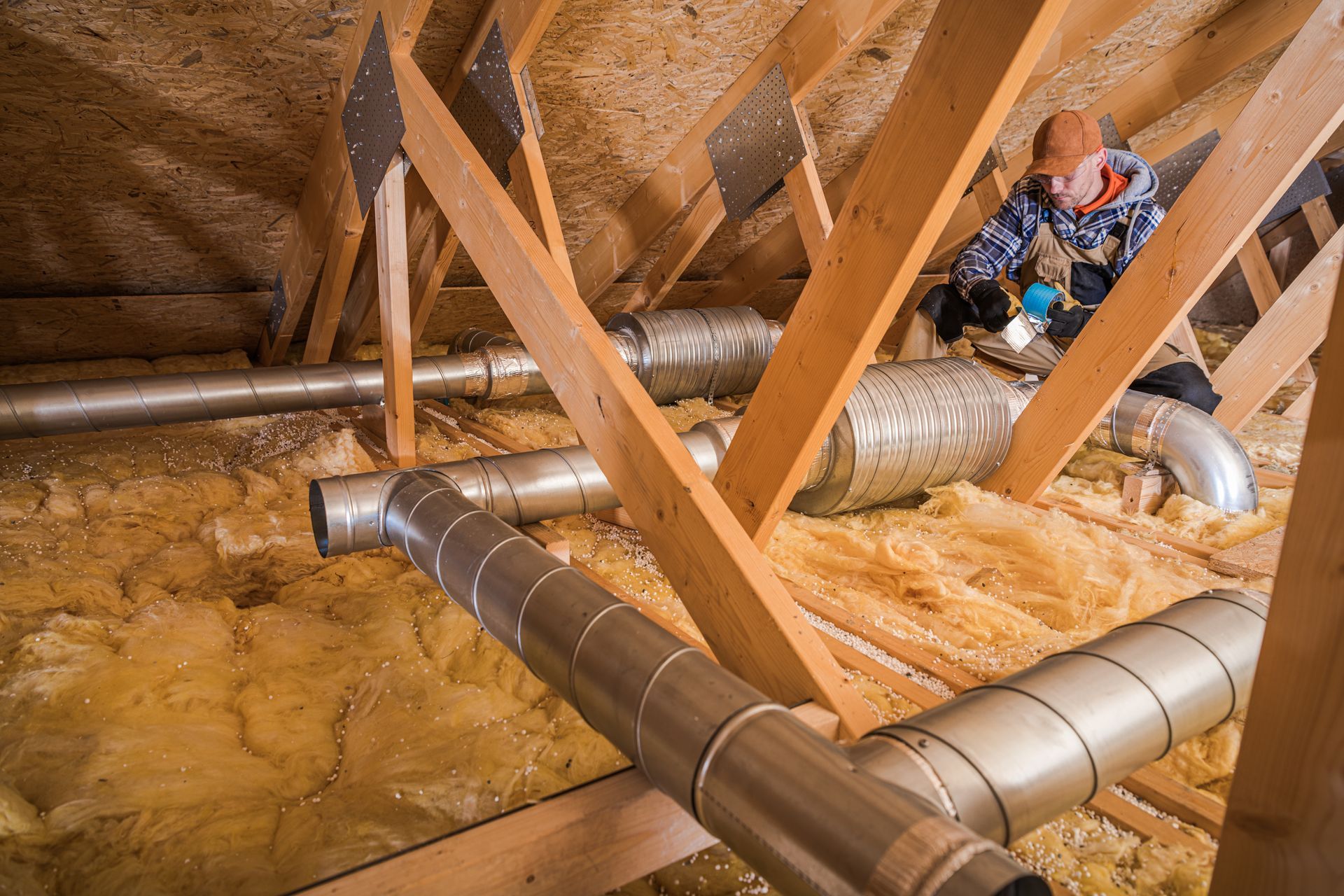
Attic crawl space with exposed ducts, wooden beams, insulation, and a worker on the right side.
August 7, 2026
Wisconsin winters are brutal. All Weather Insulation helps Green Bay and Appleton homeowners seal air leaks, boost attic R-values, and cut energy bills before the cold hits. Call (920) 494-6966 for a free quote.
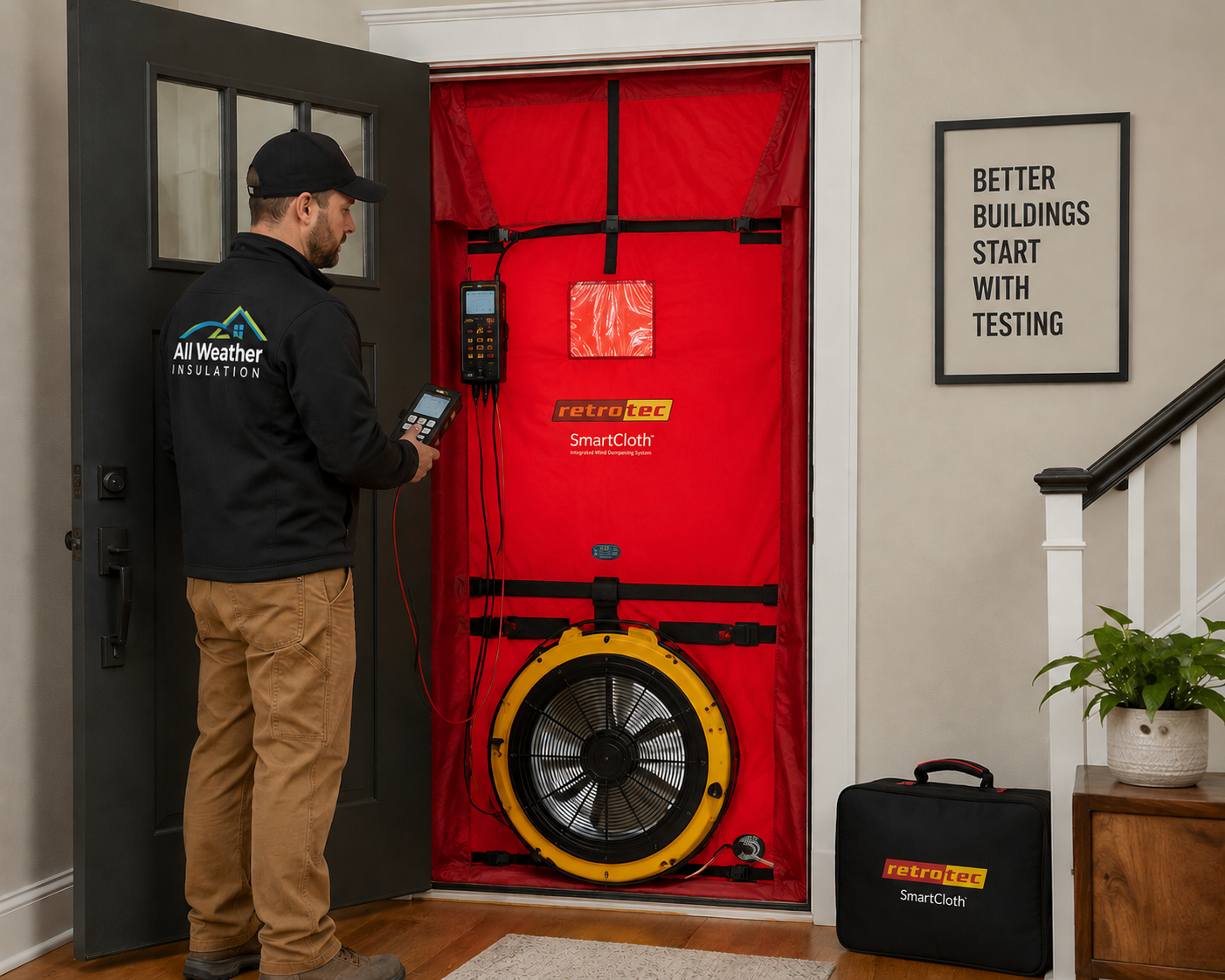
Technician testing a red door blower system in a home entryway with a fan and pressure gauge.
July 7, 2026
Is your Green Bay home wasting energy? Learn what an air leakage evaluation is, how it works, and how All Weather Insulation can seal your home for lasting comfort and savings. Call (920) 494-6966.
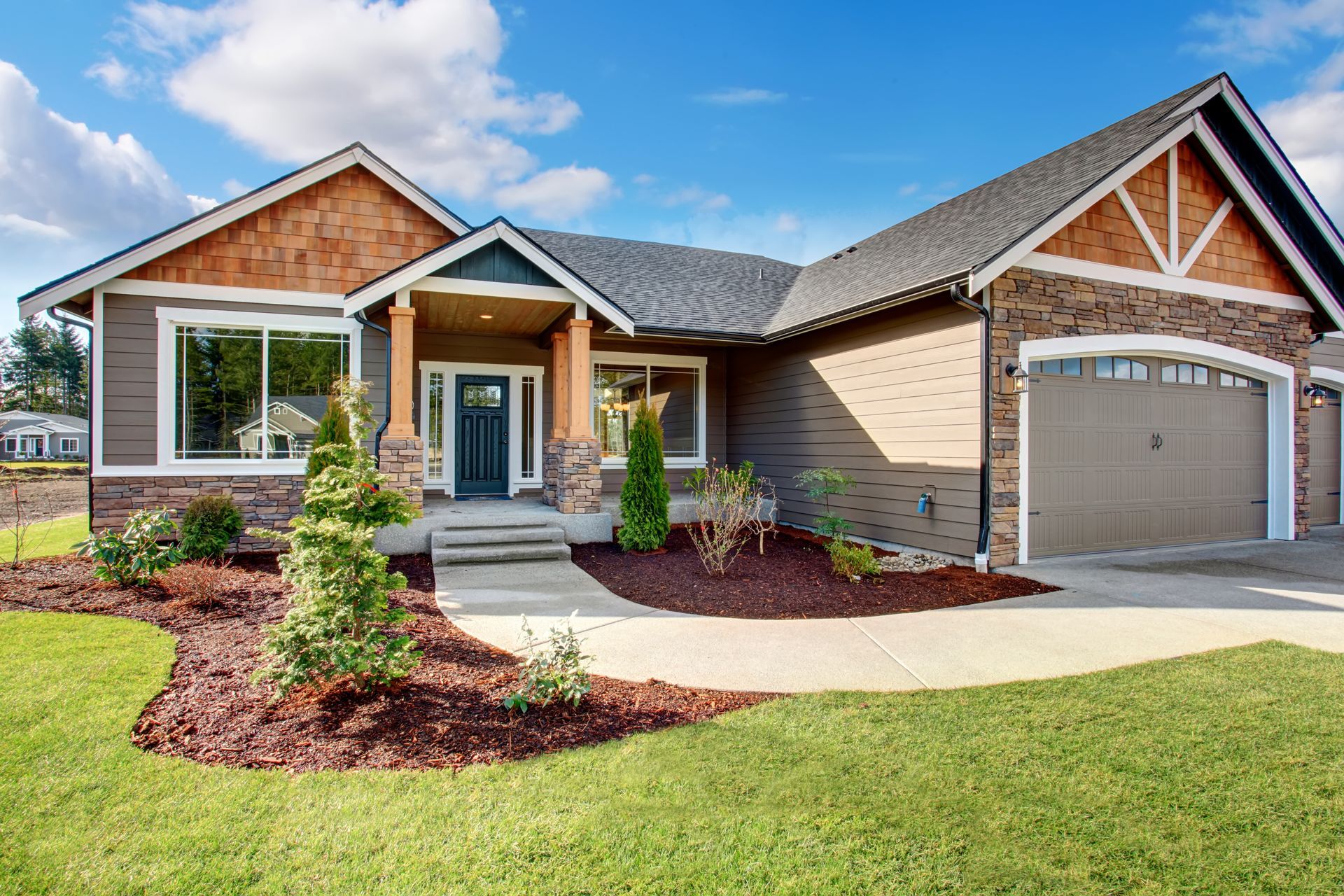
Single-story suburban house with brick and tan siding, front porch, and attached garage under a blue sky
June 16, 2026
Is your Green Bay home leaking energy and money? Learn the top warning signs you need new insulation and how All Weather Insulation can help — call (920) 494-6966.
A single-story suburban house with stone accents, wood-shingle gables, a covered entryway, and an attached two-car garage.
April 10, 2026
Reduce air conditioning costs with expert residential insulation in Appleton, WI. All Weather Insulation delivers energy-efficient solutions to keep your home cooler.
March 11, 2026
Homeowners across Wisconsin are always looking for ways to reduce energy costs and improve home comfort, especially during long winters and humid summers. One often overlooked area that significantly affects energy efficiency is the crawl space. Installing spray foam insulation in this space can dramatically improve your home’s performance.  At All Weather Insulation, homeowners frequently ask: Is spray foam crawl space insulation really energy efficient? The answer is yes—and here’s why.
February 6, 2026
Building a new home? Get expert new construction insulation in Green Bay & Appleton, WI. Call All Weather Insulation for a custom quote today.
January 7, 2026
When it comes to improving energy efficiency, comfort, and long-term savings, many homeowners focus on attics and basements. But what about side wall insulation ? If you live in Green Bay or Appleton, Wisconsin , where harsh winters and humid summers are the norm, insulating your side walls can be one of the smartest upgrades you make. At All Weather Insulation , we often get asked whether side wall insulation is worth the investment. The short answer? Yes—and here’s why. What Is Side Wall Insulation? Side wall insulation involves adding insulation material inside the exterior walls of an existing home. This is typically done by carefully drilling small access holes from the outside or inside of the home and filling the wall cavities with high-performance insulation such as dense-pack cellulose or blown-in insulation . This process is minimally invasive and highly effective, especially for older homes in the Green Bay and Appleton area that may lack adequate wall insulation. Why Side Wall Insulation Is a Smart Choice in Green Bay and Appleton, WI 1. Improved Energy Efficiency Uninsulated or poorly insulated walls allow heat to escape during winter and enter during summer. Side wall insulation helps maintain consistent indoor temperatures, reducing the strain on your heating and cooling systems. Result: Lower energy bills year-round. 2. Increased Comfort in Every Season Cold drafts in winter? Hot spots in summer? Side wall insulation eliminates temperature fluctuations, keeping every room in your home more comfortable—no matter the season. 3. Reduced Energy Costs With Wisconsin’s long heating season, energy costs can add up quickly. Properly insulated side walls can significantly reduce heat loss, helping homeowners in Green Bay and Appleton save money month after month. 4. Noise Reduction Insulation doesn’t just regulate temperature—it also dampens sound. Side wall insulation can reduce outside noise from traffic, neighbors, or weather, creating a quieter indoor environment. 5. Increased Home Value Energy-efficient upgrades are attractive to buyers. Side wall insulation can improve your home’s resale value and may even help it sell faster. Is Side Wall Insulation Right for Older Homes? Absolutely. Many homes in Green Bay and Appleton built before modern energy standards were established have little to no wall insulation. All Weather Insulation specializes in retrofitting older homes with modern insulation solutions—without major remodeling. Why Choose All Weather Insulation? As a trusted insulation contractor in Green Bay, Wisconsin , All Weather Insulation offers: ✅ Experienced, local insulation professionals ✅ High-quality, energy-efficient insulation materials ✅ Clean, minimally invasive installation ✅ Honest assessments and customized solutions We understand the unique climate challenges of Northeast Wisconsin and recommend insulation solutions that perform in all weather conditions —just like our name suggests. Final Thoughts: Is Side Wall Insulation Worth It? If you’re looking to: Lower energy bills Improve comfort Reduce drafts and noise Increase home value Then, side wall insulation is absolutely a wise choice , especially for homes in Green Bay and surrounding areas. Schedule a Side Wall Insulation Consultation Today Ready to make your home more comfortable and energy-efficient? Contact All Weather Insulation in Green Bay, WI today for a professional evaluation and see how side wall insulation can transform your home.
December 5, 2025
Upgrading the insulation in your home is one of the most effective ways to improve comfort, reduce energy bills, and enhance indoor air quality—especially in a climate like Green Bay, Wisconsin , where temperatures can swing from harsh winter cold to warm, humid summers. At All Weather Insulation , homeowners often ask us a common question: “Can new insulation be installed over my existing wall materials?” Yes—new insulation can often be added without removing drywall or existing materials. However, whether this is the right approach for your home depends on the insulation type, wall condition, and moisture levels. Below, our Green Bay insulation experts break down everything you need to know. Why Consider Adding Insulation in the First Place? Homes in Wisconsin—especially older ones—often suffer from: Drafty rooms High heating costs in winter Hot, stuffy areas in summer Uneven room temperatures Settled or inadequate insulation Adding insulation without major demolition can be a cost-effective way to correct these issues. 1. When You Can Install New Insulation Over Existing Wall Materials ✔ Blown-In Insulation Through Existing Drywall or Siding One of the most common retrofit methods All Weather Insulation uses is blown-in cellulose or fiberglass. We make small, minimally invasive holes in the wall and fill the cavity with insulation—no need to remove your drywall. This method: Fills gaps left by old, settled insulation Improves energy efficiency Reduces drafts Keeps the project quick and affordable It’s ideal for many Green Bay homes built before modern insulation standards. ✔ Rigid Foam Insulation Installed Over Existing Walls Rigid foam panels can be added over: Existing drywall Basement walls Garage walls Exterior sheathing This adds both insulation value and an air barrier, a big benefit during Wisconsin winters. ✔ Batt Insulation Added Over Exposed Walls If your walls are already open (during a remodel or basement finishing), you can add batts directly over old insulation, as long as: There’s no moisture damage The cavity isn’t overfilled Airflow and vapor control are correctly managed 2. When You Shouldn’t Add New Insulation Over What You Already Have Not every wall is a good candidate for additional insulation. The All Weather Insulation team always checks for: ✘ Moisture or Mold Behind Walls Wisconsin’s humidity and freeze-thaw cycles can cause hidden moisture. Adding insulation on top could trap water and lead to mold growth. ✘ Pest or Rodent-Contaminated Insulation Old insulation soiled by pests must be removed for health and odor reasons. ✘ Damaged or Hazardous Existing Materials Some homes still contain vermiculite insulation, which may include asbestos. This must be professionally removed before adding new insulation. ✘ Walls That Are Already Too Full Overpacking insulation can compress it and reduce performance. 3. Why Choose All Weather Insulation in Green Bay? When upgrading insulation, it’s crucial to work with a contractor who understands: The unique climate demands of Northeast Wisconsin Local building codes Moisture management Air sealing Safe removal and retrofit methods All Weather Insulation , based right here in Green Bay, specializes in insulation solutions tailored to Wisconsin homes. Homeowners choose us for: Expert moisture and air-leak detection High-quality blown-in, spray foam, and batt insulation Professional installation with minimal disruption Honest assessments—never upselling unnecessary work Fast, clean, and safe service We ensure your home stays warm in the winter, cool in the summer, and efficient year-round. 4. What’s the Best Option for Your Home? Every home is different. Some properties can accept new insulation over existing materials with no problems. Others may need minor repairs—or full removal—before an upgrade. The safest and most cost-effective solution is to schedule an insulation assessment with All Weather Insulation. We evaluate: Wall cavities Air leaks Existing insulation levels Moisture issues Thermal performance From there, we recommend the best way to enhance comfort and efficiency without unnecessary demo work. Final Takeaway Yes—new insulation can be installed over existing wall materials in many Green Bay homes. With proper evaluation and professional installation, this approach can significantly increase comfort and reduce energy costs. For homeowners in Northeast Wisconsin, All Weather Insulation is here to guide you through every step—ensuring safe, effective, and long-lasting results. Ready to Improve Your Home’s Comfort and Efficiency? Contact All Weather Insulation – Green Bay, WI to schedule a free consultation or insulation assessment.
November 6, 2025
Experience the difference that quality insulation can make. Contact All Weather Insulation today at 920-494-6966 to learn how our insulation solutions can bring warmth, quiet, and efficiency to your home — because comfort starts with what’s behind the walls.
October 16, 2025
As a homeowner in Green Bay, Appleton, or Sturgeon Bay, you know firsthand how demanding Wisconsin’s climate can be. From blistering summer days to deep winter freezes, your home’s ability to stay comfortable and energy-efficient is constantly tested. If you’re experiencing uneven temperatures, nagging drafts, or—most frustratingly—rising energy bills, it's time to look up. Your insulation and ventilation systems may be the culprits. At All Weather Insulation (AWI) , we are your trusted local partner, dedicated to providing comprehensive, tailored solutions that bring lasting comfort and significant savings to your home.