Cellulose vs. Fiberglass vs. Spray Foam: Which Insulation Is Best for Your Fox Cities Home?

October 6, 2026

Quick answer: For most Fox Cities homes, blown-in cellulose is the best value for attics and existing walls, because it fills gaps well and slows air movement. Blown fiberglass is a solid, lightweight choice for open attics. Spray foam costs more but offers the highest R-value per inch and an air seal in one step, which makes it ideal for rim joists, crawlspaces and tight spaces. The right answer for your house depends on where you're insulating, how old the home is and where it's leaking air—which is why we start with an evaluation.

From the historic homes near downtown Appleton to newer subdivisions in Grand Chute, Greenville and Kimberly, Fox Cities homeowners all face the same thing every year: a long Northeast Wisconsin winter. When the wind comes off Lake Winnebago and the temperature drops below zero, the insulation in your attic and walls is what keeps your heat inside and your bills in check.


But walk into any home-improvement conversation and you'll hear three names: cellulose, fiberglass and spray foam. Which one is right for a home in Neenah, Menasha, Kaukauna or Little Chute? Here's a plain-language comparison from the team at All Weather Insulation, which has been insulating homes across Green Bay, Appleton and the Fox Valley since 1975.

Why Insulation Choice Matters in the Fox Cities

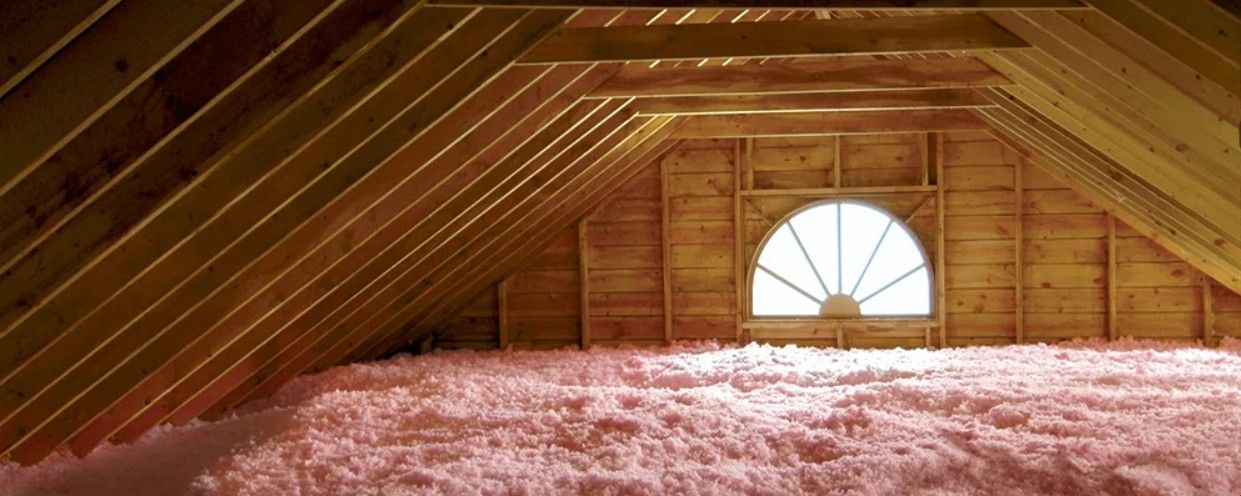
The Fox Cities sit in one of the colder climate zones in the country. ENERGY STAR recommends attic insulation levels of roughly R-49 to R-60 for homes in our region—far more than many older homes actually have. A lot of Fox Valley houses were built before modern energy codes, and their attics often have just a few inches of settled, compressed insulation left.

Two other local factors shape the decision:

  • Older housing stock. Many neighborhoods in Appleton, Neenah, Menasha and Kaukauna have homes with plaster walls and little or no wall insulation. These homes need a material that can be blown into closed wall cavities without tearing out walls.
  • Snow, ice and moisture. Heavy snow loads and freeze-thaw cycles mean ice dams are common. Insulation, air sealing and attic ventilation have to work together to keep the roof deck cold and dry.


Cellulose Insulation: The Fox Cities Workhorse

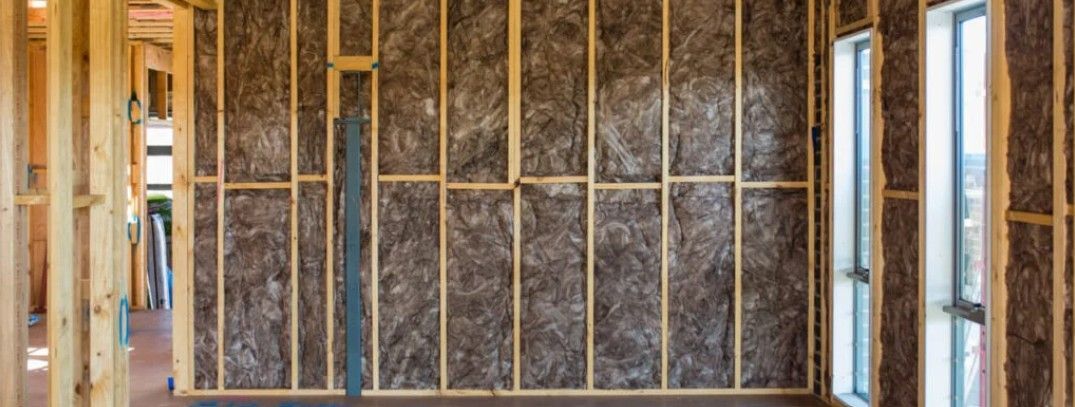
Cellulose is made mostly from recycled paper treated with borate for fire and pest resistance. It's blown into attics as loose fill or dense-packed into existing walls.

Pros

  • Good R-value of about R-3.2 to R-3.8 per inch
  • Dense, so it fills around wiring, framing and odd-shaped spaces and helps slow air movement
  • Ideal for retrofitting closed walls in older homes with minimal disruption
  • Eco-friendly, with high recycled content

Cons

  • Heavier than fiberglass, so it must be installed at the correct depth and density
  • Can settle somewhat over time if installed too loosely

Best for: Attic top-ups and wall retrofits in older Appleton, Neenah and Menasha homes.


Fiberglass Insulation: Lightweight and Versatile

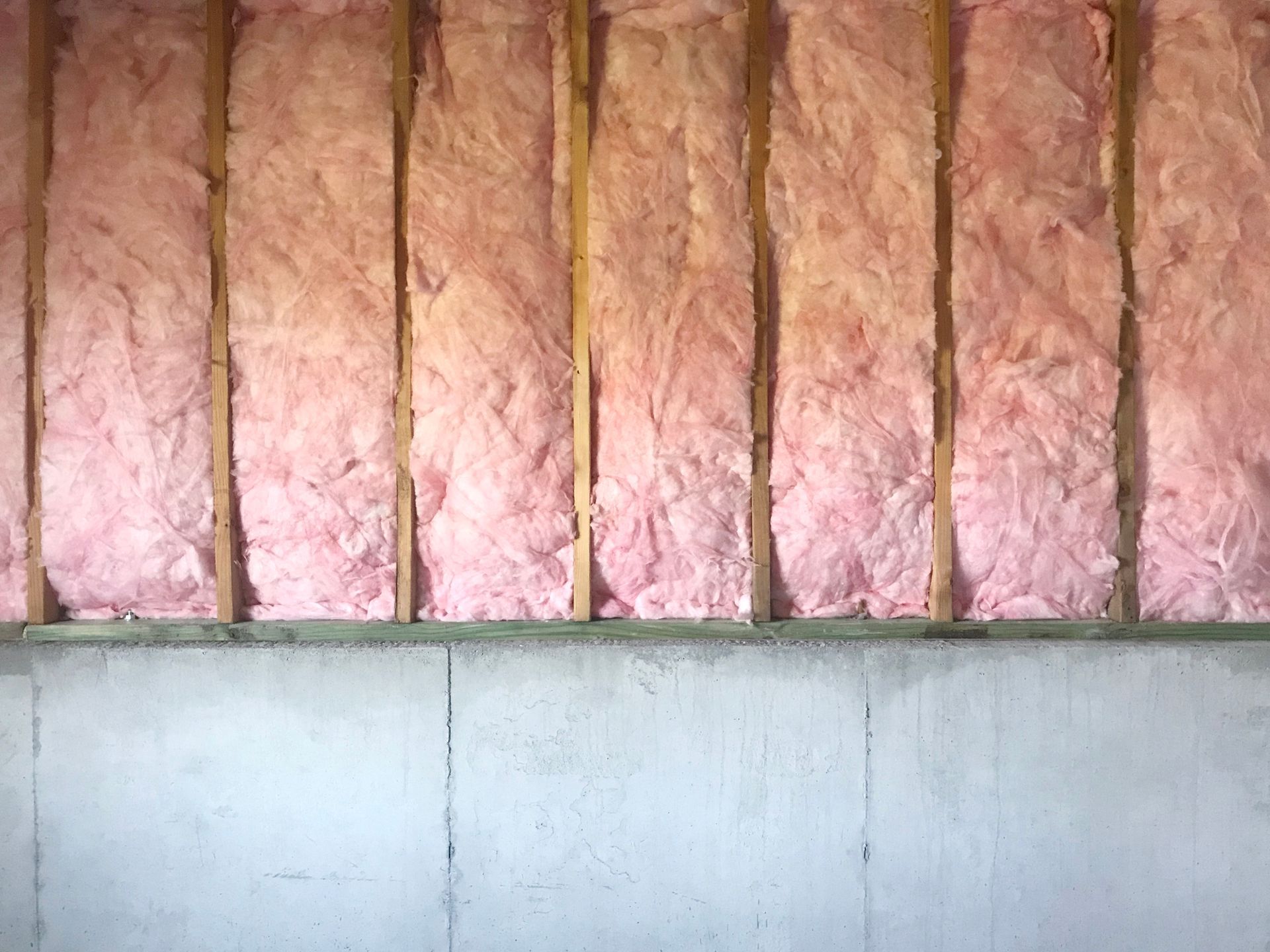
Fiberglass comes as blown-in loose fill or as batts. It's made from spun glass fibers and has been a building standard for decades.

Pros

  • Non-combustible and won't absorb moisture
  • Lightweight, which works well over older ceiling drywall or plaster
  • Cost-effective for open, easy-to-reach attics and new construction

Cons

  • Lower R-value per inch for loose fill (about R-2.2 to R-2.9), so more depth is needed
  • Does little to stop air leaks on its own—air sealing first is essential
  • Batts lose performance if they're compressed or poorly fitted around obstacles

Best for: Open attics, new additions and homeowners who prefer a non-paper material.


Spray Foam Insulation: Maximum Performance per Inch

Spray foam is applied as a liquid that expands to fill gaps and cracks, insulating and air sealing in a single step. All Weather Insulation installs All Energy Foam for projects where performance in a tight space matters most.

Pros

  • Highest R-value per inch—closed-cell foam is roughly R-6 to R-7 per inch
  • Creates an air barrier, stopping drafts at the source
  • Excellent for rim joists, crawlspaces, cathedral ceilings and other hard-to-insulate areas

Cons

  • Higher upfront cost than blown-in materials
  • Must be installed by trained professionals
  • Usually not necessary for a whole open attic when cellulose or fiberglass will do the job for less

Best for: Basement rim joists, crawlspaces, bonus rooms and areas with limited space.


Side-by-Side Comparison

Factor Cellulose Fiberglass (blown) Spray Foam
R-value per inch ~3.2–3.8 ~2.2–2.9 ~6–7 (closed-cell)
Air sealing ability Moderate Low High
Upfront cost $$ $ $$$
Best Fox Cities use Attics, older walls Open attics Rim joists, crawlspaces
Retrofit closed walls? Yes Sometimes Limited
Eco-friendly High recycled content Some recycled glass Varies by product

R-values are typical industry ranges and vary by product and installation.


Why the Material Is Only Half the Answer

Here's what many Fox Cities homeowners don't realize: adding more insulation won't fix a drafty home if air is pouring through gaps around attic hatches, recessed lights, plumbing stacks and top plates. Warm, moist air escaping into the attic is also a leading cause of frost, mold and ice dams.


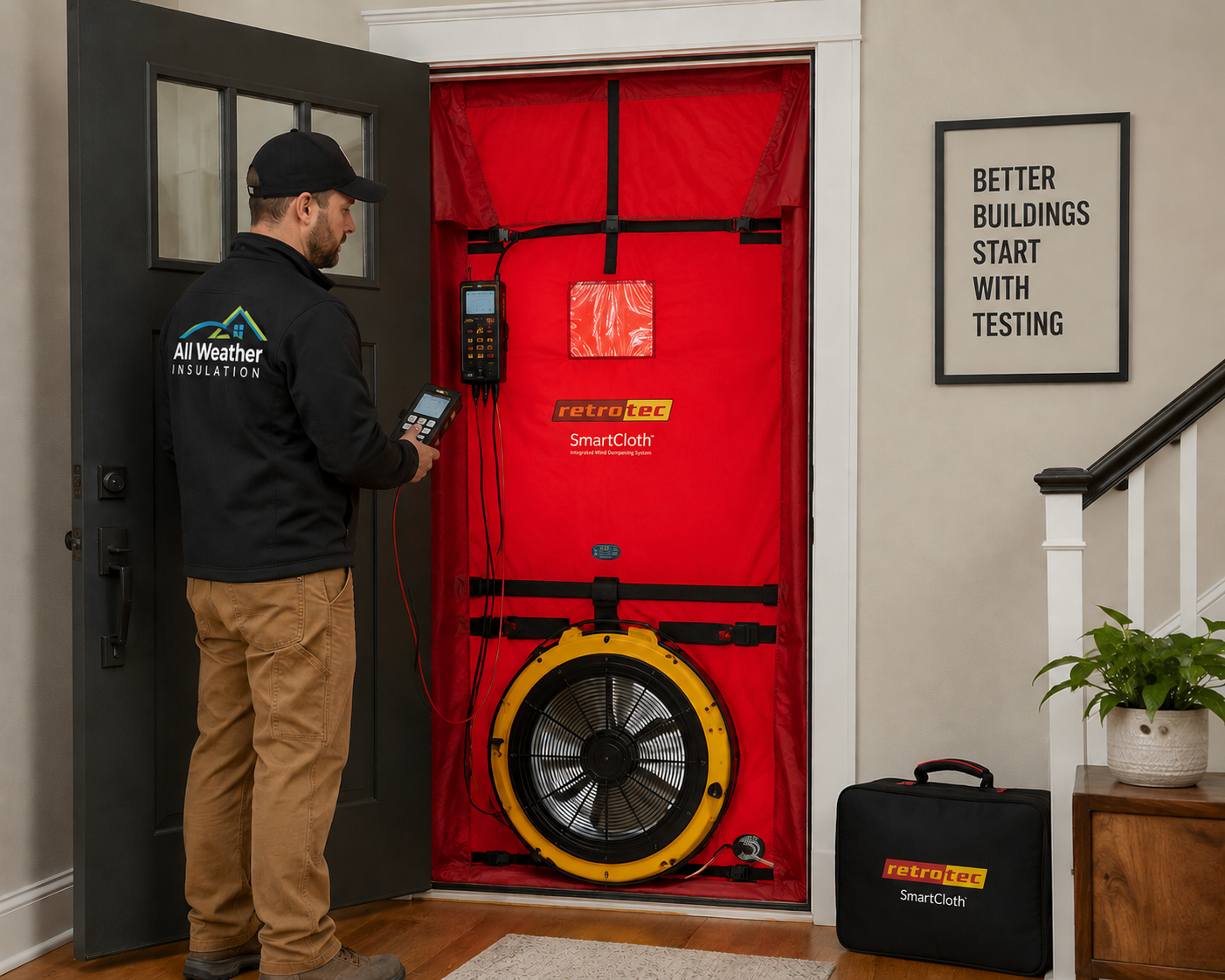
That's why All Weather Insulation starts with an Air Leakage Evaluation. We find exactly where your home is losing air, seal those bypasses, and then install the right insulation at the right depth. We also check that your roof soffit vents are open and working, so your attic stays cold and dry all winter.


Rebates Can Cover a Big Part of the Cost

Fox Cities homeowners may qualify for utility rebates of $850, $1,250 or $2,000 toward insulation and air sealing work. Our team determines which rebate tier your project qualifies for, builds it into your free estimate and helps you with the power company paperwork. Learn more on our Rebates/FAQ page.


Frequently Asked Questions

  • What is the best insulation for a home in Appleton, WI?

    For most Appleton attics and older walls, blown-in cellulose offers the best mix of cost, coverage and air-slowing performance. Spray foam is best for rim joists and crawlspaces. A professional evaluation will confirm what your specific home needs.

  • How much attic insulation do I need in the Fox Cities?

    ENERGY STAR recommends about R-49 to R-60 in attics for our cold climate. That's roughly 13 to 16 inches of blown cellulose or more for blown fiberglass, depending on the product.

  • Is cellulose or fiberglass better for Wisconsin winters?

    Both work well when installed correctly. Cellulose is denser and better at slowing air movement, while fiberglass is lighter and won't absorb moisture. Air sealing before either one is installed makes the biggest difference.

  • Can you insulate the walls of an older Neenah or Menasha home without tearing them out?

    Yes. We dense-pack insulation into existing wall cavities through small access holes, so most older homes can be insulated without major remodeling.

  • Is spray foam worth the cost?

    In the right places, yes. Spray foam is a strong value for rim joists, crawlspaces and tight spaces where its air seal and high R-value pay off. For a large open attic, blown-in insulation usually delivers better value.

  • Do you serve all of the Fox Cities?

    Yes. All Weather Insulation serves Appleton, Neenah, Menasha, Kaukauna, Kimberly, Little Chute, Grand Chute, Fox Crossing, Greenville and the surrounding Fox Valley, along with Green Bay and Northeast Wisconsin.

  • Are there rebates for insulation in the Fox Cities?

    Many homeowners qualify for utility rebates of $850 to $2,000. We calculate your rebate tier and help with the paperwork.

Get the Right Insulation for Your Fox Cities Home

You don't have to guess which insulation is right for your house. Since 1975, All Weather Insulation has helped Fox Valley homeowners stay warmer in winter, cooler in summer and spend less on energy. Our owner is on every job site, and we're an ENERGY STAR certified, bonded and insured contractor.

Call (920) 494-6966 or request your free, no-obligation estimate today. Explore all of our insulation services to learn more.

Icicles hanging from a roof edge above a brick building in winter
September 4, 2026
Ice dams start in your attic. Learn how soffit vents and balanced airflow protect your Green Bay roof. All Weather Insulation — call (920) 494-6966.
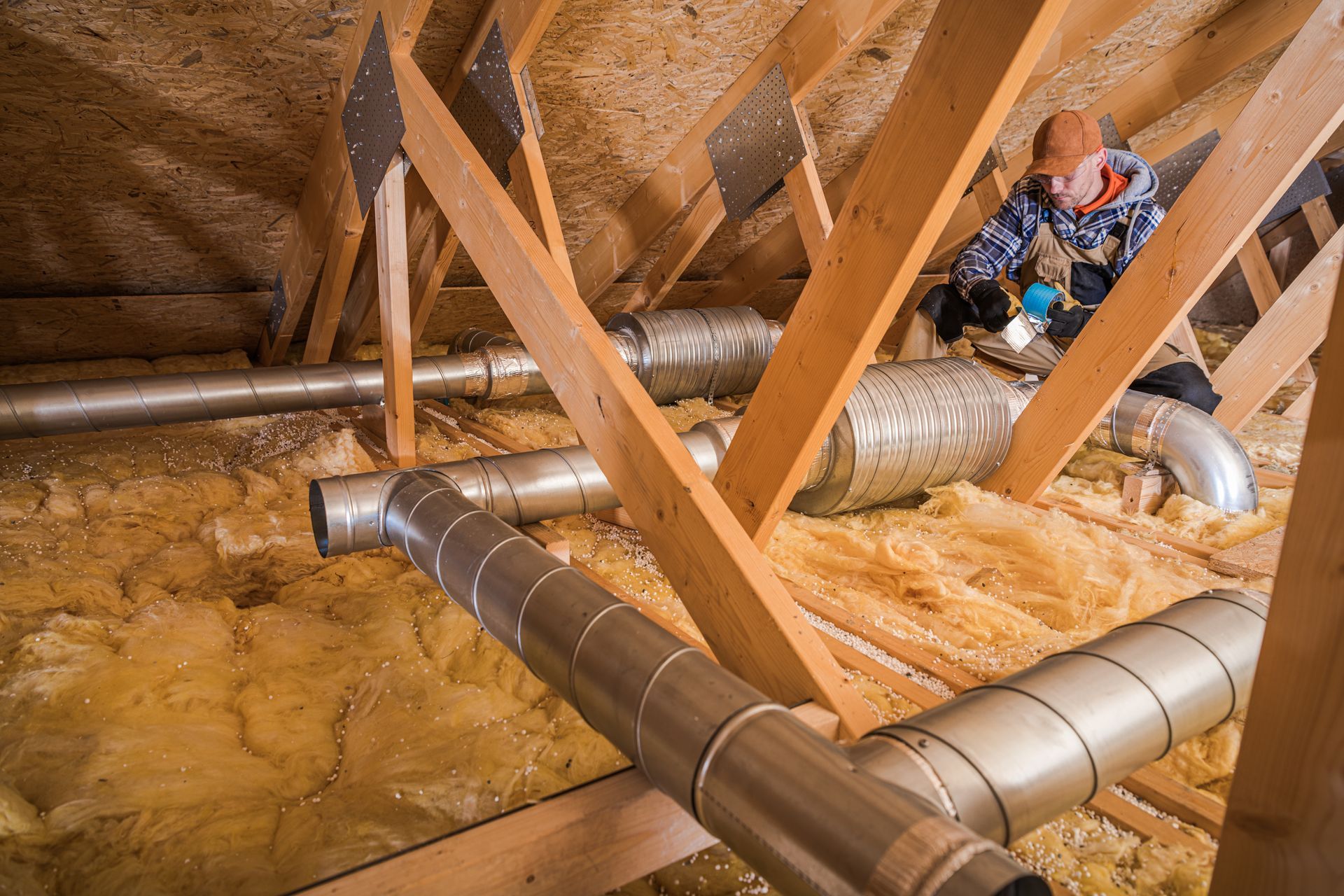
Attic crawl space with exposed ducts, wooden beams, insulation, and a worker on the right side.
August 7, 2026
Wisconsin winters are brutal. All Weather Insulation helps Green Bay and Appleton homeowners seal air leaks, boost attic R-values, and cut energy bills before the cold hits. Call (920) 494-6966 for a free quote.
Technician testing a red door blower system in a home entryway with a fan and pressure gauge.
July 7, 2026
Is your Green Bay home wasting energy? Learn what an air leakage evaluation is, how it works, and how All Weather Insulation can seal your home for lasting comfort and savings. Call (920) 494-6966.
Single-story suburban house with brick and tan siding, front porch, and attached garage under a blue sky
June 16, 2026
Is your Green Bay home leaking energy and money? Learn the top warning signs you need new insulation and how All Weather Insulation can help — call (920) 494-6966.
A single-story suburban house with stone accents, wood-shingle gables, a covered entryway, and an attached two-car garage.
April 10, 2026
Reduce air conditioning costs with expert residential insulation in Appleton, WI. All Weather Insulation delivers energy-efficient solutions to keep your home cooler.
March 11, 2026
Homeowners across Wisconsin are always looking for ways to reduce energy costs and improve home comfort, especially during long winters and humid summers. One often overlooked area that significantly affects energy efficiency is the crawl space. Installing spray foam insulation in this space can dramatically improve your home’s performance.  At All Weather Insulation, homeowners frequently ask: Is spray foam crawl space insulation really energy efficient? The answer is yes—and here’s why.
February 6, 2026
Building a new home? Get expert new construction insulation in Green Bay & Appleton, WI. Call All Weather Insulation for a custom quote today.
January 7, 2026
When it comes to improving energy efficiency, comfort, and long-term savings, many homeowners focus on attics and basements. But what about side wall insulation ? If you live in Green Bay or Appleton, Wisconsin , where harsh winters and humid summers are the norm, insulating your side walls can be one of the smartest upgrades you make. At All Weather Insulation , we often get asked whether side wall insulation is worth the investment. The short answer? Yes—and here’s why. What Is Side Wall Insulation? Side wall insulation involves adding insulation material inside the exterior walls of an existing home. This is typically done by carefully drilling small access holes from the outside or inside of the home and filling the wall cavities with high-performance insulation such as dense-pack cellulose or blown-in insulation . This process is minimally invasive and highly effective, especially for older homes in the Green Bay and Appleton area that may lack adequate wall insulation. Why Side Wall Insulation Is a Smart Choice in Green Bay and Appleton, WI 1. Improved Energy Efficiency Uninsulated or poorly insulated walls allow heat to escape during winter and enter during summer. Side wall insulation helps maintain consistent indoor temperatures, reducing the strain on your heating and cooling systems. Result: Lower energy bills year-round. 2. Increased Comfort in Every Season Cold drafts in winter? Hot spots in summer? Side wall insulation eliminates temperature fluctuations, keeping every room in your home more comfortable—no matter the season. 3. Reduced Energy Costs With Wisconsin’s long heating season, energy costs can add up quickly. Properly insulated side walls can significantly reduce heat loss, helping homeowners in Green Bay and Appleton save money month after month. 4. Noise Reduction Insulation doesn’t just regulate temperature—it also dampens sound. Side wall insulation can reduce outside noise from traffic, neighbors, or weather, creating a quieter indoor environment. 5. Increased Home Value Energy-efficient upgrades are attractive to buyers. Side wall insulation can improve your home’s resale value and may even help it sell faster. Is Side Wall Insulation Right for Older Homes? Absolutely. Many homes in Green Bay and Appleton built before modern energy standards were established have little to no wall insulation. All Weather Insulation specializes in retrofitting older homes with modern insulation solutions—without major remodeling. Why Choose All Weather Insulation? As a trusted insulation contractor in Green Bay, Wisconsin , All Weather Insulation offers: ✅ Experienced, local insulation professionals ✅ High-quality, energy-efficient insulation materials ✅ Clean, minimally invasive installation ✅ Honest assessments and customized solutions We understand the unique climate challenges of Northeast Wisconsin and recommend insulation solutions that perform in all weather conditions —just like our name suggests. Final Thoughts: Is Side Wall Insulation Worth It? If you’re looking to: Lower energy bills Improve comfort Reduce drafts and noise Increase home value Then, side wall insulation is absolutely a wise choice , especially for homes in Green Bay and surrounding areas. Schedule a Side Wall Insulation Consultation Today Ready to make your home more comfortable and energy-efficient? Contact All Weather Insulation in Green Bay, WI today for a professional evaluation and see how side wall insulation can transform your home.
December 5, 2025
Upgrading the insulation in your home is one of the most effective ways to improve comfort, reduce energy bills, and enhance indoor air quality—especially in a climate like Green Bay, Wisconsin , where temperatures can swing from harsh winter cold to warm, humid summers. At All Weather Insulation , homeowners often ask us a common question: “Can new insulation be installed over my existing wall materials?” Yes—new insulation can often be added without removing drywall or existing materials. However, whether this is the right approach for your home depends on the insulation type, wall condition, and moisture levels. Below, our Green Bay insulation experts break down everything you need to know. Why Consider Adding Insulation in the First Place? Homes in Wisconsin—especially older ones—often suffer from: Drafty rooms High heating costs in winter Hot, stuffy areas in summer Uneven room temperatures Settled or inadequate insulation Adding insulation without major demolition can be a cost-effective way to correct these issues. 1. When You Can Install New Insulation Over Existing Wall Materials ✔ Blown-In Insulation Through Existing Drywall or Siding One of the most common retrofit methods All Weather Insulation uses is blown-in cellulose or fiberglass. We make small, minimally invasive holes in the wall and fill the cavity with insulation—no need to remove your drywall. This method: Fills gaps left by old, settled insulation Improves energy efficiency Reduces drafts Keeps the project quick and affordable It’s ideal for many Green Bay homes built before modern insulation standards. ✔ Rigid Foam Insulation Installed Over Existing Walls Rigid foam panels can be added over: Existing drywall Basement walls Garage walls Exterior sheathing This adds both insulation value and an air barrier, a big benefit during Wisconsin winters. ✔ Batt Insulation Added Over Exposed Walls If your walls are already open (during a remodel or basement finishing), you can add batts directly over old insulation, as long as: There’s no moisture damage The cavity isn’t overfilled Airflow and vapor control are correctly managed 2. When You Shouldn’t Add New Insulation Over What You Already Have Not every wall is a good candidate for additional insulation. The All Weather Insulation team always checks for: ✘ Moisture or Mold Behind Walls Wisconsin’s humidity and freeze-thaw cycles can cause hidden moisture. Adding insulation on top could trap water and lead to mold growth. ✘ Pest or Rodent-Contaminated Insulation Old insulation soiled by pests must be removed for health and odor reasons. ✘ Damaged or Hazardous Existing Materials Some homes still contain vermiculite insulation, which may include asbestos. This must be professionally removed before adding new insulation. ✘ Walls That Are Already Too Full Overpacking insulation can compress it and reduce performance. 3. Why Choose All Weather Insulation in Green Bay? When upgrading insulation, it’s crucial to work with a contractor who understands: The unique climate demands of Northeast Wisconsin Local building codes Moisture management Air sealing Safe removal and retrofit methods All Weather Insulation , based right here in Green Bay, specializes in insulation solutions tailored to Wisconsin homes. Homeowners choose us for: Expert moisture and air-leak detection High-quality blown-in, spray foam, and batt insulation Professional installation with minimal disruption Honest assessments—never upselling unnecessary work Fast, clean, and safe service We ensure your home stays warm in the winter, cool in the summer, and efficient year-round. 4. What’s the Best Option for Your Home? Every home is different. Some properties can accept new insulation over existing materials with no problems. Others may need minor repairs—or full removal—before an upgrade. The safest and most cost-effective solution is to schedule an insulation assessment with All Weather Insulation. We evaluate: Wall cavities Air leaks Existing insulation levels Moisture issues Thermal performance From there, we recommend the best way to enhance comfort and efficiency without unnecessary demo work. Final Takeaway Yes—new insulation can be installed over existing wall materials in many Green Bay homes. With proper evaluation and professional installation, this approach can significantly increase comfort and reduce energy costs. For homeowners in Northeast Wisconsin, All Weather Insulation is here to guide you through every step—ensuring safe, effective, and long-lasting results. Ready to Improve Your Home’s Comfort and Efficiency? Contact All Weather Insulation – Green Bay, WI to schedule a free consultation or insulation assessment.
November 6, 2025
Experience the difference that quality insulation can make. Contact All Weather Insulation today at 920-494-6966 to learn how our insulation solutions can bring warmth, quiet, and efficiency to your home — because comfort starts with what’s behind the walls.